


Strength Training in Pregnancy: Bridging Athletic Experience and Dietetic Practice

Background
The introduction of Title IX in 1972 had a profound impact on women’s participation in sports and exercise by ensuring equal opportunities for female athletes. As a result, the steady rise in women engaging in athletic activity has prompted greater attention to exercise across the lifespan, including during pregnancy. Historically, pregnancy was viewed as a period requiring rest and reduced physical exertion, with resistance exercise often discouraged due to perceived risks to maternal and fetal health. While aerobic exercise has become more widely accepted, resistance training remains less emphasized despite increasing participation among both recreational exercisers and athletes. This raises an important question: Is resistance training during pregnancy safe, and if so, does it provide meaningful benefits for maternal and fetal outcomes?
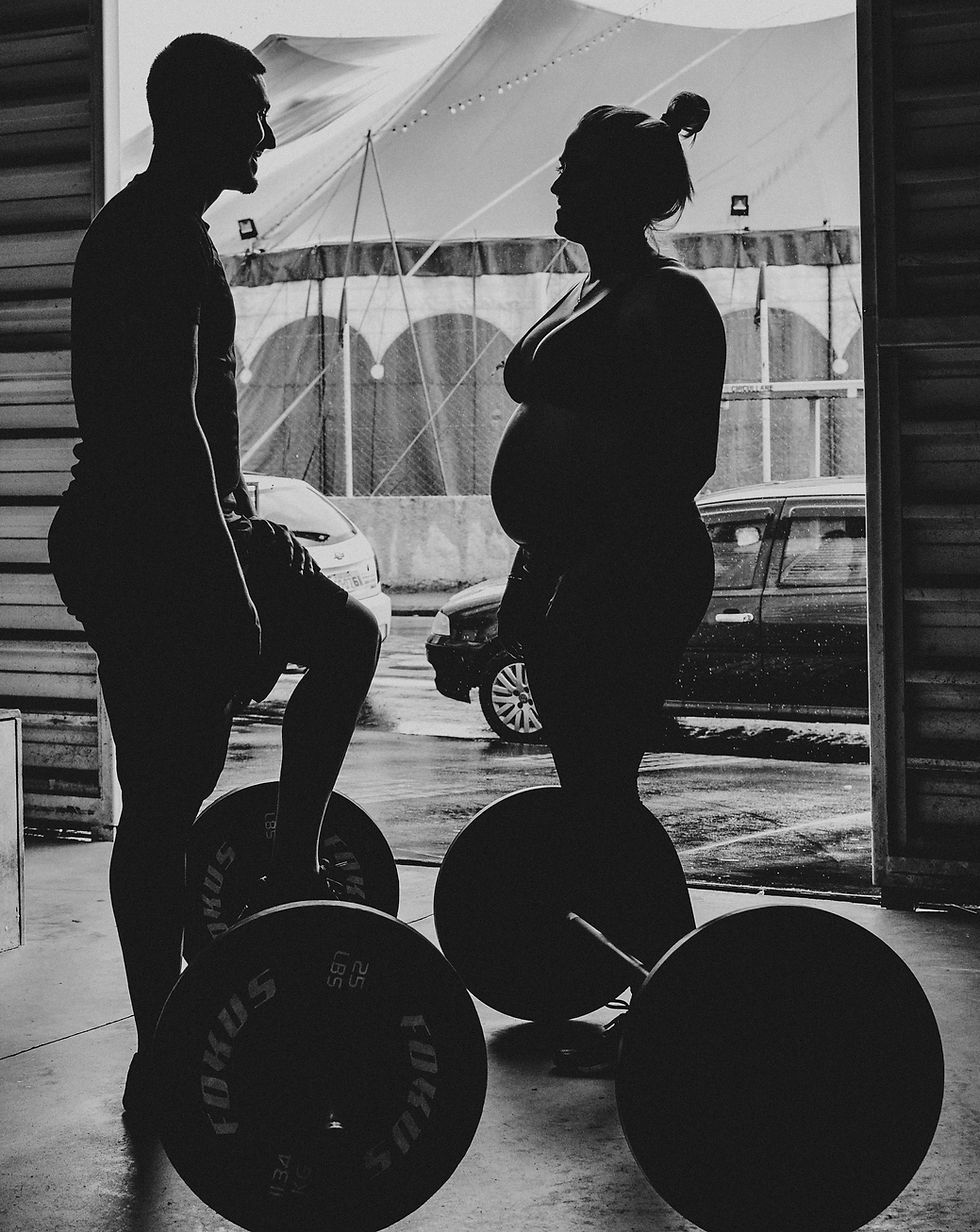
This article explores resistance (strength) training during pregnancy, including current research and established guidelines. Additionally, it highlights the dietitian's role as a key contributor to translating evidence-based recommendations into practical nutritional support for active, pregnant women.
Research Highlight
What does the latest research say?
Recent research has examined the role of resistance training during pregnancy and its impact on both maternal and fetal health outcomes. A systematic review by Redondo-Delgado et al. (2025), which included nine qualifying studies, reported a significant positive effect of strength training on physical activity levels among pregnant women. Increased engagement in regular physical activity was associated with improved health-related quality of life, including maintaining strength, reducing back pain, and enhancing energy levels.
Similarly, a well-conducted meta-analysis by Prevett et al. (2025), which analyzed 50 studies (including 45 randomized controlled trials), found that resistance training was associated with reduced odds of several pregnancy-related complications, including gestational hypertension, gestational diabetes, perinatal mood disorders, and macrosomia. Barakat et al. (2016) conducted a randomized clinical trial involving 765 pregnant women assigned to either an exercise or control group. The exercise group participated in training three days per week from gestational weeks 9–11 through weeks 38–39 and incorporated aerobic, strength, and flexibility exercises. Their findings suggested that structured maternal exercise may serve as a preventative strategy for excessive weight gain, hypertension, and adverse birth outcomes, while also contributing to reduced long-term chronic disease risk.
Collectively, these studies demonstrate how exercise, including resistance training, may improve maternal strength, functional capacity, and metabolic health. However, variability in training protocols, definitions of intensity, and participant characteristics highlights the need for more standardized research.
Is it safe for baby?
Emerging research has explored the true risk of exercise throughout pregnancy. Moolyk et al. (2025) assessed maternal and fetal responses to resistance exercise by measuring heart rate, blood pressure, glucose, lactate, and fetal health markers such as umbilical blood flow indices. In this study, 10 pregnant and 10 non-pregnant women performed barbell back squats, bench presses, and deadlifts up to a 10-repetition maximum (RM), followed by a set at approximately 90% of their one-repetition maximum (1RM), including trials with the Valsalva maneuver. The results showed no adverse changes in fetal heart rate or umbilical blood flow, suggesting that even relatively high-intensity resistance exercise may be well tolerated in healthy pregnancies. However, it is important to note that more high-quality research with larger sample sizes is needed to better understand the potential risks of resistance training and high-intensity exercise for both maternal and fetal health.

In a larger observational study, 679 individuals who engaged in resistance training during pregnancy (80% 1RM) completed an online survey assessing pelvic floor symptoms and pregnancy outcomes. Notably, 66% reported no complications during pregnancy or delivery and those who maintained pre-pregnancy training levels experienced fewer reported reproductive complications (Prevett et al., 2023). Overall, current literature is beginning to point towards minimal increased risk of adverse outcomes when resistance training is appropriately prescribed.
What are the current recommendations?
The American College of Obstetricians and Gynecologists (ACOG) provides evidence-based recommendations supporting physical activity during pregnancy, advising at least 150 minutes of moderate-intensity exercise per week, including muscle-strengthening activities (Committee on Obstetric Practice, 2020). While these guidelines are intentionally conservative to prioritize safety, the ACOG also acknowledges the athlete population, recommending that those engaging in high-intensity training seek individualized medical guidance by their providers. Additional precautions include avoiding activities with high risk of blunt trauma and monitoring for overheating during exercise (Committee on Obstetric Practice, 2020).
Professional Opinion
As a female Olympic weightlifter and future registered dietitian, it is encouraging to see growing academic interest in resistance training across the female lifespan, including pregnancy. However, research still lags behind the lived experiences of many women and athletes who have successfully exercised throughout pregnancy. As our understanding of female physiology evolves, so too should our approach to exercise during pregnancy. It is essential to provide clear, evidence-based guidance for individuals who wish to remain active. Developing accessible and practical “roadmaps” can help bridge the gap between research and application, as well as safety amongst the general population.
Based on current evidence and ACOG guidelines, it is reasonable to support resistance training during pregnancy, particularly for those who engaged in this type of exercise before pregnancy. For individuals new to strength training, a gradual and individualized approach is appropriate, emphasizing proper technique, controlled intensity, and safety. Resistance exercises (including squats, presses, deadlifts, and accessory movements) can be modified using bands, machines, or adjusted ranges of motion to meet individual needs. A pregnancy-informed coach and physical therapist can be great resources for exercise modifications that promote safe and effective movement. Ultimately, exercise during pregnancy should be guided by maternal comfort, experience level, and overall capacity. Exceeding these limits may increase the risk of injury, while appropriately scaled activity supports both maternal health and autonomy.
Recommendations for Dietitians
Dietitians working with active pregnant individuals must balance the nutritional demands of pregnancy with the added needs of exercise, recognizing that total energy and micronutrient requirements (i.e., folate and iron) increase across pregnancy, postpartum, and lactation. Physiological changes that influence nutritional needs during pregnancy include a 20–30% increase in heart rate from baseline, as well as increases in cardiac output and blood volume (Adams et al., 2026). Resting metabolic rate also rises to support fetal development and placental growth, alongside a higher energy cost of exercise due to changes in body mass (Adams et al., 2026).

Beyond physiological needs, dietitians play a critical role in supporting the overall well-being and lived experience of the mother, not just infant outcomes. By providing tailored education and counseling, they can empower women to properly fuel their bodies while continuing to engage in exercise. This support includes addressing knowledge gaps, overcoming barriers to proper nutrition, and helping build a comprehensive support system that may involve coaches, trainers, and other healthcare professionals.
Summary of Recommendations:
Adopt an individualized approach to meet nutritional needs, accounting for the dynamic physiological changes of pregnancy alongside continued high-intensity exercise.
Identify and address knowledge gaps related to nutrition from both pregnancy and performance perspectives.
Foster a comprehensive support system that includes collaboration with coaches, trainers, and medical professionals.
References:
Adams, W. M., Anderson, T., Post, E. G., Christopher, S. M., McKay, A. K., Donaldson, A. T., Galán-López, N., Finnoff, J. T., Carter, S., & Taylor, L. (2026). Developing Evidence-Based Recommendations Surrounding Training During and Following Pregnancy in Elite Athletes. International Journal of Sports Physiology and Performance, 21(1), 3-17. Retrieved May 1, 2026, from https://doi.org/10.1123/ijspp.2024-0461
Committee on Obstetric Practice. (2020). Physical activity and exercise during pregnancy and the postpartum period. Acog.org. https://www.acog.org/clinical/clinical-guidance/committee-opinion/articles/2020/04/physical-activity-and-exercise-during-pregnancy-and-the-postpartum-period
Moolyk, A. N., Wilson, M. K., Matenchuk, B. A., Bains, G., Gervais, M. J., Wowdzia, J. B., & Davenport, M. H. (2025). Maternal and fetal responses to acute high-intensity resistance exercise during pregnancy. British journal of sports medicine, 59(3), 159–166. https://doi.org/10.1136/bjsports-2024-108804
Prevett, C., Kimber, M. L., Forner, L., de Vivo, M., & Davenport, M. H. (2023). Impact of heavy resistance training on pregnancy and postpartum health outcomes. International urogynecology journal, 34(2), 405–411. https://doi.org/10.1007/s00192-022-05393-1
Prevett, C., Gingerich, J., Sivak, A., & Davenport, M. H. (2025). Resistance training in pregnancy: systematic review and meta-analysis of pregnancy, delivery, fetal and pelvic floor outcomes and call to action. British journal of sports medicine, 59(16), 1173–1182. https://doi.org/10.1136/bjsports-2024-109123
Redondo-Delgado, P., Blanco-Giménez, P., López-Ortiz, S., García-Chico, C., Vicente-Mampel, J., & Maroto-Izquierdo, S. (2025). Effects of strength training on quality of life in pregnant women: A systematic review. Acta obstetricia et gynecologica Scandinavica, 104(7), 1231–1243. https://doi.org/10.1111/aogs.15122

About the Author
Jourdan Delacruz is a 2X Olympian and represented Team USA in the sport of Weightlifting at the 2020 and 2024 Olympic Games. Jourdan holds a bachelor's in nutrition and dietetics from the University of Northern Colorado and is a sports nutritionist through the ISSN. She is pursuing her master's degree in sports nutrition at Texas Tech University to become a sport-registered dietitian. Jourdan founded Herathlete, a brand committed to supporting female athletes through education and community.


Comments